
Choosing clothes can sometimes feel confusing, especially when you are new to fashion. You may find a shirt that looks great on a model or in a store, but when you wear it yourself, it may not look the same. This does not always mean that the clothing is bad. In many cases, the problem is simply the fit.
The right fit can make a basic outfit look stylish, while the wrong fit can make even expensive clothing look messy. Learning how clothes should fit your shoulders, chest, waist, sleeves, and legs is one of the easiest ways to improve your personal style.
Choosing the right clothes is also about more than size. Two shirts marked “medium” can have completely different measurements depending on the brand and design. Some brands use slim fits, while others offer relaxed, regular, or oversized fits. Understanding these differences can help you shop with more confidence.
This beginner’s guide explains how to choose clothes that fit properly, how to combine colors, how technology and AI can help with styling, and which colors can create a more expensive-looking appearance.
1. Understanding Clothing Fit
Why Fit Matters
Fit is one of the most important parts of an outfit. When clothing fits correctly, it follows your body’s natural shape without being uncomfortably tight or unnecessarily loose.
Poorly fitted clothing can create unnecessary folds and make your proportions look unbalanced. Clothes that are too tight may restrict movement and create pulling around buttons or seams. Clothes that are too loose can make your body look smaller or hidden beneath the fabric.
However, there is an important difference between poor fit and intentional oversized fashion. Oversized clothing can look fashionable when the proportions are designed that way. The problem occurs when you accidentally buy clothing that is simply too large.
How Different Garments Should Fit
- T-Shirts: A properly fitted T-shirt should sit naturally around your shoulders. The shoulder seam should generally end close to the edge of your shoulder rather than falling several centimeters down your arm. The chest should have enough room for comfortable movement without excessive fabric hanging around the stomach. The length should cover your waistband.
- Shirts: A button-down shirt should provide enough room around your chest and stomach without looking excessively loose. When buttoned, the buttons should lie flat without pulling or creating visible gaps. The collar should feel comfortable around your neck, and cuffs of long-sleeve shirts should reach your wrists. Pay attention to the shoulder fit first, as tailoring the waist or sleeve length is usually easier.
- Trousers and Jeans: Start with the waist—your trousers should stay securely in place without requiring a very tight belt, while remaining comfortable when you sit down. Consider your silhouette (slim, straight, relaxed, tapered, or wide-leg) and ensure the length matches your shoes to avoid excessive fabric pooling around the ankles.
2. Sizing and Proportions
Navigating Clothing Sizes
One of the biggest mistakes beginners make is believing that the letter on a clothing label automatically tells them whether something will fit. A small, medium, large, or extra-large size is not standardized across every brand.
Instead of depending only on the size letter, look at the brand’s size chart. Check measurements such as chest, waist, shoulder width, sleeve length, inseam, and garment length. If you are shopping online, compare the size chart with a garment you already own that fits you well by measuring it directly.
Balancing Proportions
Good styling is not only about individual clothing pieces; it is also about how they work together.
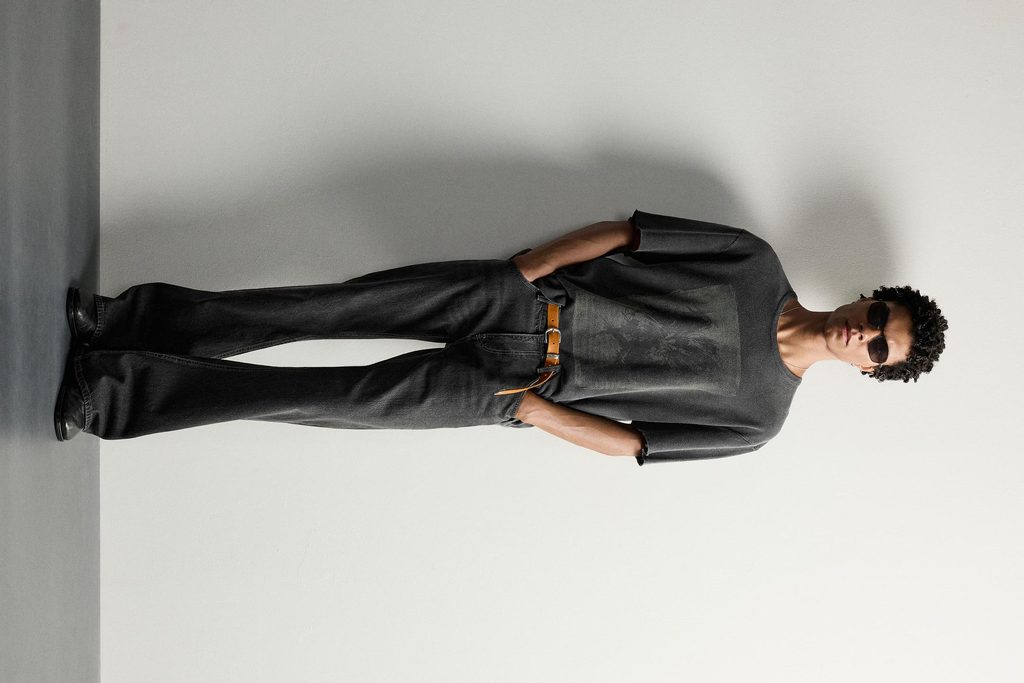
If you choose an oversized shirt, wearing extremely oversized trousers at the same time can look shapeless. A relaxed T-shirt works well with straight or slightly tapered trousers, while wide-leg trousers can be paired with a fitted or structured top. You can also use styling techniques like high-rise trousers to visually lengthen your legs or a shorter jacket to emphasize your waist.
3. Color Combinations & Looking Expensive
Easy Color Combinations for Beginners
If you are unsure about color matching, start with combinations that are naturally versatile:
- White + blue
- Black + white
- Navy + beige
- Cream + brown
- Grey + black
- Olive + beige
Managing Bold Colors
There are no two colors permanently forbidden in fashion, but some combinations are difficult to balance. Wearing bright red and bright green or bright orange and bright purple together can create a very high-contrast, visually busy appearance that feels overwhelming for everyday clothing.
Instead of avoiding these colors completely, control their intensity. Use muted tones (like an olive-green jacket with a burgundy shirt) or balance brighter shades with neutrals like black, white, grey, navy, beige, and cream.
Creating an “Expensive” Look
Certain shades are commonly associated with polished, elegant, and timeless outfits:
- Navy: Sophisticated without being as formal as black.
- Cream and Ivory: Clean and luxurious when well-maintained.
- Camel and Beige: Excellent for creating an elegant, adaptable wardrobe.
- Dark Brown: Adds a rich appearance to jackets, shoes, belts, and bags.
- Burgundy: Provides a sophisticated accent without intense brightness.
- Black: Timeless and polished, provided the fabric is free of fading or wrinkles.
Ultimately, fit and fabric matter more than color. A perfectly fitted cream shirt made from an inexpensive fabric often looks more polished than an expensive designer shirt that fits poorly.
4. Building Your Wardrobe & Maintenance
Building a Versatile Wardrobe
Beginners do not need dozens of clothes. Start with essential neutral basics:
- White and black T-shirts
- Navy or neutral shirts
- Blue jeans
- Black or dark trousers and beige chinos
- A neutral jacket
- Clean white sneakers and dark casual shoes
- A simple belt and a versatile watch
When buying something new, apply the 3-Item Rule: ask yourself whether it works with at least three items already in your wardrobe.
Fabric, Quality, and Care
Fit is important, but fabric affects how clothing hangs and looks. Check fabrics before buying to see how they drape, whether they become transparent, and if they wrinkle excessively. Always follow washing and care instructions to protect your clothes from shrinking, fading, stretching, or damage.
5. Modern Styling & Avoiding Mistakes
Using AI for Styling
AI can help you decide whether clothes match when you provide a clear photograph. It can analyze colors, patterns, and combinations, suggesting footwear, alternative trousers, or accessories. Treat AI as a helpful styling assistant, keeping your personal comfort, body proportions, occasion, and confidence as the final authority.
Common Beginner Fashion Mistakes
- Buying clothes simply because they look good on someone else.
- Chasing too many trend-based pieces instead of relying on versatile basics.
- Buying clothes without checking how they fit into your existing wardrobe.
- Prioritizing brand logos and names over proper fit.
Final Outfit Check
Before leaving home, take a few seconds to review your complete outfit—including clothes, shoes, accessories, grooming, and visible wrinkles. Taking a quick mirror photo can also help you easily spot proportions and color balance issues.
Final Thoughts
Learning how to choose clothes that fit does not have to be complicated. Start with the basics: understand your measurements, learn how different fits work, and pay attention to shoulders, sleeves, waist, trouser length, and overall proportions.
When you want an expensive-looking appearance, remember that clean clothing, proper fit, good proportions, and careful styling make all the difference. Most importantly, do not feel pressured to follow every fashion rule. Clothing should help you express your personality while making you feel comfortable and confident. Start with a few well-fitting basics, take care of your clothes, and gradually experiment with new styles.